Articles
Environmental Design Strategies in Robust SDA Homes
- ROOT
- Articles
- Thursday, 29 January 2026 23:31
- Thursday, 29 January 2026 23:30
- Gary J Finn
- Hits: 1008
Environmental Design Strategies for Residents Who May Self-Harm in Robust SDA Homes
In Robust category Specialist Disability Accommodation (SDA) homes under the NDIS in Australia, the design inherently prioritizes resilience, safety, and risk reduction for individuals with complex behaviors, including those at risk of self-harm (e.g., stemming, head banging, slapping, punching walls, or using environmental objects). The NDIS SDA Design Standard emphasizes durable, impact-resistant materials, secure fixtures, and features that minimize physical harm to the resident, support workers, and the property while reducing reactive maintenance.
These solutions build on Robust's core requirements (e.g., high-impact wall linings, tamper-resistant fittings, shatterproof glazing, and secure layouts) and integrate best practices from behavioral health and disability housing. The goal is to create a therapeutic, calming environment that reduces opportunities for self-harm, supports de-escalation, and promotes dignity without feeling overly restrictive. Always involve occupational therapists, positive behavior support practitioners, SDA assessors, and the resident's support team for individualized planning, as needs vary.
- Ligature-Resistant and Tamper-Resistant Fixtures Use anti-ligature hardware throughout (e.g., sloped/rounded door handles, flush-mounted fixtures, tamper-proof screws, and breakaway or concealed elements) to eliminate attachment points for cords, straps, or fabrics. In bathrooms and bedrooms (high-risk areas), install ligature-resistant taps, showerheads, grab rails, and toilet accessories. These features align with Robust standards for secure fittings while preventing common self-harm methods.
- Impact-Resistant and Protective Surfaces Apply high-impact wall linings (e.g., reinforced panels or padded/protected walls in key areas) to absorb blows from head banging or punching, reducing injury risk and property damage. Use soft, padded corners on fixed elements, cushioned flooring (e.g., rubber or vinyl with underlay), and shatterproof/laminated glass in windows/doors. Tempered or safety glazing prevents cuts from breakage.
- Secure and Heavy/Anchored Furnishings Bolt down or use extremely heavy furniture (e.g., beds, wardrobes) to prevent tipping or use as weapons/objects for harm. Opt for rounded edges, no sharp corners, open shelving instead of drawers (to reduce hidden items), and slanted tops on cabinets/wardrobes to eliminate looping points. Furniture should be durable, easy to clean, and integrated with Robust's tamper-resistant design.
- Safe De-Escalation and Retreat Spaces Incorporate dedicated "safe rooms" or quiet zones with soft, padded elements (e.g., high-density foam walls covered in cleanable material), dimmable lighting, and sensory tools (e.g., weighted items, fidget features) for self-regulation during distress. These spaces allow safe expression of behaviors while minimizing harm, often reinforced for durability in Robust homes.
- Environmental Risk Reduction in High-Risk Areas In bathrooms/kitchens: non-slip flooring, rounded fixtures, automatic shut-off appliances, and locked/secure storage for potential hazards (e.g., chemicals, sharps). Remove or cover protrusions (e.g., exposed pipes). Use connected sightlines or window panels between rooms for unobtrusive monitoring without invading privacy.
- Sensory and Calming Integration Combine with previous calming features (e.g., soft/muted lighting, acoustic panels for noise reduction, neutral colors, and natural elements) to lower overall agitation and self-harm triggers. Predictable layouts with visual cues reduce frustration that may escalate to self-injurious behavior.
- Technology and Monitoring Supports Integrate discreet sensors (e.g., for movement or environmental changes) linked to alerts for support workers, while ensuring privacy. Voice-activated controls or simple tech for autonomy help residents manage their space safely.
- Outdoor and Boundary Safety Provide secure, enclosed outdoor areas (e.g., fenced gardens) with soft surfaces and no climbable elements to allow safe movement and grounding without escape or harm risks.
These features comply with the NDIS SDA Design Standard's focus on minimizing risk in Robust homes, drawing from Australian guidelines and international best practices in behavioral environments. They emphasize prevention through environmental modification rather than restrictive practices. In Sydney/NSW, consult local building codes, NDIS-accredited providers, and the latest SDA Design Standard for compliance and funding alignment. Early collaboration ensures the home is safe, supportive, and adaptable to evolving needs, enhancing resident well-being and reducing long-term support intensity.
What is an NCC Performance Solution
- ROOT
- Articles
- Thursday, 29 January 2026 23:15
- Thursday, 29 January 2026 23:13
- Gary J Finn
- Hits: 1937
An NCC Performance Solution tailored to disability access (also called accessibility for people with a disability) is a customised, evidence-based approach to meeting the National Construction Code (NCC)'s mandatory Performance Requirements for equitable, safe, and dignified access—without strictly following the prescriptive Deemed-to-Satisfy (DTS) provisions.
In Australia, disability access is primarily governed by NCC Volume One, particularly:
- Section D (Access and Egress), including D1P1 (Access for people with a disability — the core Performance Requirement), D1P2 (Safe movement to and within a building), and related clauses like carparking (e.g., D1P8).
- Part D4 (Access for people with a disability) — this contains the main DTS Provisions, referencing standards like AS 1428.1 (Design for access and mobility — General requirements for access — New building work) for ramps, doors, circulation spaces, accessible toilets, signage (braille/tactile), hearing augmentation, tactile ground surface indicators (TGSIs), accessible seating in assembly buildings, and more.
The DTS pathway follows exact measurements and details from AS 1428.1 (e.g., minimum door widths, maximum ramp gradients, specific toilet grabrail positions, etc.). When site constraints, heritage listings, innovative designs, cost considerations, or existing buildings make full DTS compliance impractical or impossible, a Performance Solution is used instead.
Why Use a Performance Solution for Disability Access?
Performance Solutions promote flexibility and better outcomes in accessibility. They allow innovation while ensuring the building still achieves (or exceeds) the intent of the Performance Requirements, safe, equitable, and dignified access for people with mobility, vision, hearing, or other impairments.
Common scenarios include:
- Heritage buildings where widening a doorway or installing a ramp would damage significant features.
- Steep sites where standard ramp lengths/gradients are unfeasible.
- Unusual layouts (e.g., narrow corridors, level changes) where full DTS circulation spaces can't be met.
- Alternative door automation (e.g., power-operated doors) instead of wider clearances.
- Modified accessible toilet layouts or grabrail positions due to space limits.
- Reduced accessible carparking dimensions or locations in constrained carparks.
- Alternative wayfinding or signage approaches.
- Emergency egress provisions for people with disability (though not always mandated, often addressed via Performance Solutions).
Key Process for a Disability Access Performance Solution
The NCC requires a structured, documented process (per clauses like A2G2(4) in recent editions):
- Prepare a Performance-Based Design Brief — Define the issue, relevant Performance Requirements (e.g., D1P1 and D1P2), objectives, acceptance criteria, stakeholders (owner, certifier, access consultant), and proposed methods.
- Carry out Analysis — Use approved Assessment Methods:
- Verification Methods (if applicable — NCC has some for access).
- Evidence of suitability (e.g., test reports, certifications, simulations).
- Expert judgement (from accredited access consultants).
- Comparison to DTS (demonstrating equivalent or better performance).
- Modelling, risk assessments, or user trials.
- Evaluate Results — Confirm the solution meets the Performance Requirements "to the degree necessary" (a qualifier in D1P1 allowing proportionality based on building use/type).
- Prepare a Final Report — Comprehensive documentation, including limitations, conditions of use, maintenance requirements, and sign-off.
This report is submitted to the building certifier (or relevant authority) for approval. Accredited access consultants (e.g., members of Association of Consultants in Access Australia) often prepare these, ensuring alignment with the Disability Discrimination Act 1992 (DDA) and Premises Standards.
Benefits and Considerations
- Enables creative, inclusive designs (e.g., better automation for doors benefiting everyone).
- Must be rigorous — poor justification can lead to rejection or future issues.
- Often more cost-effective long-term than retrofits.
- Always consult a qualified access consultant early to avoid compliance risks.
In essence: For disability access, if the standard "recipe" in Part D4 / AS 1428.1 doesn't fit your project, a well-documented Performance Solution lets you "bake a different cake" that still delivers safe, equitable access for people with disability — fully compliant with the NCC. Many specialist firms (e.g., access consultants) provide these services nationwide.
An accredited SDA certifier
Gary Finn has been accredited as an SDA Assessor #SDA039
An accredited **SDA certifier**, more precisely known as an **Accredited SDA Assessor** or **Accredited SDA Design Standard Assessor**—plays a crucial, independent role in Australia's **National Disability Insurance Scheme (NDIS)** system. They ensure that **Specialist Disability Accommodation (SDA)** homes meet strict design requirements, enabling these properties to be officially enrolled and funded under the NDIS for participants with extreme functional impairments or very high support needs.
What is Specialist Disability Accommodation (SDA)?
SDA refers to purpose-built or modified housing designed specifically for NDIS participants who require specialist environments due to significant disability-related needs. These homes fall into specific design categories (such as Improved Liveability, Fully Accessible, High Physical Support, or Robust) as outlined in the official **NDIS SDA Design Standard**. For a dwelling to qualify as SDA and attract NDIS funding support, it must demonstrate full compliance with this standard, and that's where an accredited SDA certifier comes in.
Who Can Become an Accredited SDA Certifier?
These professionals are **third-party, independent experts** who undergo NDIS-approved training and meet strict eligibility criteria. Only **specified professionals**, typically qualified architects, building surveyors, access consultants, or similar roles with relevant prerequisites, can become accredited. They must remain independent: they cannot be employees, associates, or contractors of the SDA provider, developer, or owner. This independence guarantees unbiased assessments.
The **NDIA (National Disability Insurance Agency)** maintains a public list of accredited SDA assessors, but it does not directly engage them, the developer, owner, or provider hires them.
What Does an Accredited SDA Certifier Actually Do?
The primary responsibility of an accredited SDA certifier is to **assess and certify** that a dwelling complies with the **SDA Design Standard**. This process occurs in **two mandatory stages** for new builds (required since July 2021 for enrolment):
**Design Stage (Provisional Certification)**
Before construction begins, the certifier reviews detailed design plans, drawings, specifications, and documentation. They check whether the proposed dwelling meets all spatial, accessibility, fixture, fitting, and feature requirements of the relevant SDA design category.
If compliant, they issue:
- A **Certificate of SDA Design Category Compliance** (nominating the specific category, e.g., High Physical Support).
- An **SDA Assessment Summary Form** and **Checklist**.
These documents support provisional approval and help identify any issues early, avoiding costly rework later.
**Final As-Built Stage (Final Certification)**
After construction is complete, the certifier conducts an **in-person inspection** of the finished dwelling. They verify that what was built exactly matches the compliant design and meets every detail of the SDA Design Standard in reality.
If everything checks out, they issue the final certification documents (similar to the design stage but confirming as-built compliance). The certifier then lodges these with the NDIA.
This final certification is mandatory for the dwelling to be enrolled as SDA, allowing it to be offered to eligible NDIS participants.
Throughout both stages, the SDA certifier:
- Confirms compliance objectively against the official SDA Design Standard.
- Nominates the appropriate design category based on the dwelling's features.
- Submits all required paperwork directly to the NDIA.
Important Boundaries: What They Do NOT Do
To maintain independence and focus, accredited SDA certifiers do **not** provide advice on:
-SDA density requirements in an area.
-Whether a participant qualifies for SDA funding.
-Eligibility for SDA overall.
-Investment viability, provider registration, or operational matters.
Their role is strictly limited to technical compliance assessment and certification against the design standard.
Why This Role Matters
Without certification from an accredited SDA certifier, a dwelling cannot be enrolled as SDA, no matter how well-intentioned the design or build. This protects NDIS participants by ensuring homes truly deliver the accessibility, safety, and functionality they need. It also gives developers, investors, and providers confidence that their properties meet NDIS requirements, supporting quality housing supply in the sector.
If you're developing, owning, or investing in SDA properties, or simply want to understand the pathway for high-needs housing, engaging an accredited SDA certifier early (ideally at the design phase) is one of the smartest steps you can take.
For the most up-to-date list of accredited assessors or the full SDA Design Standard, check the official NDIS website (ndis.gov.au)
Accessible Snorkeling Options in Malaysia
Accessible Snorkeling Options in Malaysia
Malaysia’s turquoise waters and vibrant marine life make it a snorkeling paradise, but for travelers with disabilities, mobility challenges, or elderly visitors, accessibility is crucial. While many spots require boat access or uneven terrain, several locations offer adapted options, such as shore-based snorkeling, assisted entries, or programs tailored for inclusivity. These often involve calm, shallow areas with support from resorts or organizations like Diveheart. Below, we explore key accessible snorkeling spots, focusing on features for wheelchair users, seniors, and those with reduced mobility. Note that while some blend into scuba programs, surface snorkeling adaptations are increasingly available. Always confirm with operators for specific needs, as infrastructure varies.

Turtles frequent the Perhentian Islands just a few metres off the beach,
which is accessed from the main jetty using one of the many private boats.
Redang Island: Shore-Based Snorkeling
Redang Island, off Terengganu’s coast, is famed for its clear waters and coral reefs, with several handicap-accessible resorts emphasizing easy beach access. Snorkeling here can be done directly from the shore without needing a boat, making it ideal for those with mobility limitations. Simply wade into shallow areas teeming with fish and turtles. Resorts like Redang Beach Resort provide adapted accommodations, ramps, and staff assistance for gear and entry. The calm lagoons reduce physical strain, and modified snorkel tours (e.g., with flotation aids or guided support) cater to seniors and disabled visitors.
Perhentian Islands: Adapted Resort Experiences
The Perhentian Islands (Besar and Kecil) offer pristine beaches with accessible snorkeling in select areas, where resorts provide adapted transfers and beachfront access. Shallow reefs near the shore allow for easy snorkeling without deep dives or long swims, suitable for elderly travelers. Operators often modify activities with life vests, hand-held floats, or even seated snorkeling options for those with limited mobility. Boat trips to nearby sites can include assistance for boarding, though advance arrangements are key. The islands' eco-focus ensures calm waters, enhancing safety and enjoyment.
Kota Kinabalu (Sabah): Diveheart Adaptive Programs
In Kota Kinabalu, the Diveheart Adaptive program stands out for inclusive underwater experiences, primarily scuba but adaptable to snorkeling for surface-level exploration. At Mamutik Island, volunteers (5-6 per participant) assist with sea entry, gear, and support, helping wheelchair users and those with sensory or mobility impairments build confidence in a gravity-free environment. Participants like Iziani Hayati Abbas (wheelchair-bound) have described feeling "like a non-disabled person" while spotting marine life. Programs run in pools and open water, with options for shallower snorkel-style sessions.
Sipadan Area (Kapalai Dive Resort): Assisted Access
Near Sipadan, Kapalai Dive Resort offers scuba and snorkeling with strong accessibility features for disabled divers. Staff physically lift wheelchair users in and out of boats, provide barrier-free room access, and have experienced dive masters for guided sessions. Snorkeling from the resort's stilted platforms or shallow house reefs is feasible with assistance, though note limited sanitary facilities for disabilities. Daily trips to Sipadan's reefs include adaptations for mobility challenges, making it a luxurious option for inclusive marine adventures.
Langkawi: Beachfront Snorkeling
Langkawi’s Tanjung Rhu Beach provides easy wheelchair access with flat paths, nearby parking, and no steps, allowing for relaxed shore snorkeling in calm waters. While not as reef-rich as eastern islands, the serene setting suits beginners or those preferring minimal exertion. Resorts offer gear rentals and guided tours with flotation support.
Practical Tips for Accessible Snorkeling in Malaysia
To ensure a smooth experience, especially for overseas elderly travelers like those from Sydney, follow these tips drawn from expert advice and participant insights.
Planning and Booking
- **Contact in Advance**: Reach out to resorts or programs like Diveheart Malaysia 3-6 months ahead to arrange adaptations, such as extra volunteers or modified gear (e.g., full-face masks for easier breathing). Use resources like WheelchairTravel.org for reviews.
- **Choose Calm Seasons**: Visit during dry periods (March-October for East Coast, like Redang; year-round for west, like Langkawi) to avoid rough seas.
- **Programs and Tours**: Opt for inclusive operators; Diveheart offers training in Kuala Lumpur, Sarawak, and Sabah, with costs around RM500-1000 for adaptive sessions.
Transportation and Gear
- **Getting There**: Fly direct from Sydney to Kuala Lumpur (8-9 hours), then domestic to the islands; request airport wheelchair assistance. For boats, confirm lift assistance at Kapalai.
- **Equipment**: Bring or rent adaptive items like beach wheelchairs, flotation devices, or extended snorkels. Resorts often provide, but verify.
Health and Safety
- **Medical Prep**: Consult a doctor for fitness-to-snorkel clearance; pack meds and insurance covering water activities. Stay hydrated in the tropics.
- **On-Site**: Start with pool sessions if available (as in Diveheart), and always snorkel with buddies or guides. Be aware of currents and sun exposure.
These options highlight Malaysia's growing commitment to accessible tourism, turning potential barriers into empowering adventures. For personalized plans, consider agencies specializing in disabled travel.
Accessible Beaches in Malaysia
Accessible Beaches in Malaysia
Malaysia boasts stunning coastlines and islands, but accessibility for wheelchair users and those with mobility challenges varies. While the country is making progress in inclusive tourism, some beaches and resorts stand out for their wheelchair-friendly features, such as ramps, flat paths, and nearby parking. These destinations often cater to overseas travelers, including elderly visitors, by providing easier access to enjoy the sun, sea, and serenity. Below, we highlight some of the most notable accessible beaches, drawing from traveler experiences and tourism resources.
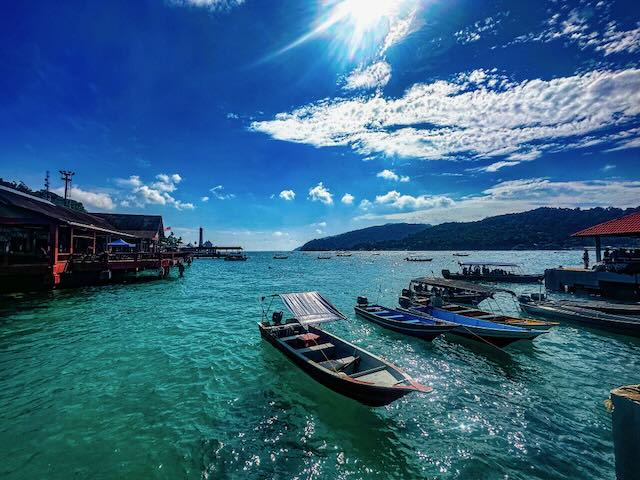
There are many services on the Perhentian Islands, offering boat access to explore the island's treasures
Tanjung Rhu Beach, Langkawi
Located on the northern tip of Langkawi Island, Tanjung Rhu Beach is renowned for its calm waters, white sands, and lush surroundings, making it a peaceful spot for relaxation.
This beach is particularly accessible for wheelchair users, with easy entry points, no steep pathways or steps, and parking available right nearby, allowing for seamless visits. Langkawi as a whole is often recommended as one of the more wheelchair-friendly island destinations in Malaysia, with options for adapted tours and attractions like the cable car that accommodate mobility needs. However, while the beach itself is navigable, some visitors note that the island's overall infrastructure could be more consistent for full accessibility.
Tanjung Bungah Beach, Penang
Nestled between the historic George Town (a UNESCO World Heritage site) and the lively Batu Ferringhi area, Tanjung Bungah Beach offers a blend of urban convenience and coastal charm.
It's featured in accessible holiday packages, with resorts providing features like ramps and adapted rooms for wheelchair users. The beach's promenade and nearby parks, such as Taman Jajar, are wheelchair-friendly with shaded paths and facilities, ideal for a gentle stroll or toe-dipping in the sea. Penang's vibrant food scene and cultural sites add to the appeal, making it a well-rounded spot for travelers with disabilities.
Desaru Coast, Johor
On the southeastern coast of Peninsular Malaysia, Desaru Coast features long stretches of sandy beaches and modern resorts designed with accessibility in mind.
This area offers wheelchair-accessible tours and activities, including beachfront paths and facilities at attractions like adventure waterparks. It's a growing destination for inclusive tourism, with options for golf courses and spas that cater to mobility needs, providing a luxurious yet approachable beach experience close to Singapore for international visitors.
Redang Island Beaches
Redang Island, off the east coast of Peninsular Malaysia, is famous for its crystal-clear waters and marine life, with several resorts emphasizing facilities for guests with disabilities.
Beaches like those at Redang Beach Resort offer adapted accommodations and easier access points, though boat transfers to the island require planning for wheelchair users. The island's focus on eco-tourism includes snorkeling options that can be modified, making it suitable for those seeking an adventurous yet accessible tropical escape.
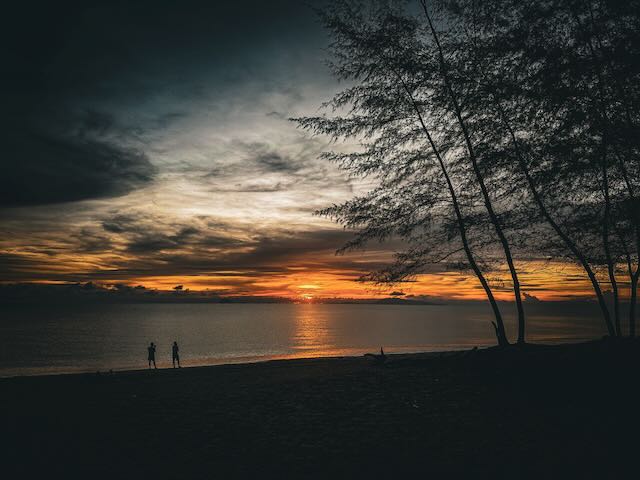
Sunrise overlooking the Perhentian Islands from Mainland Malaysia
Perhentian Islands Beaches
The Perhentian Islands, comprising Perhentian Besar and Perhentian Kecil, are surrounded by pristine beaches with turquoise seas and are noted for their wheelchair access in select areas.
Resorts here provide adapted transfers and beachfront access, set amid lush greenery and vibrant marine environments. While the islands are more remote, with boat arrivals, the white sandy shores and calm waters make them a paradise for relaxation, appealing to elderly travelers and those with mobility considerations.
In general, Malaysia's beaches are becoming more inclusive, but it's advisable to contact resorts or tour operators in advance for specific needs, as infrastructure can vary. For overseas visitors like those from Australia, direct flights to hubs like Kuala Lumpur or Penang make these destinations reachable, enhancing the overall travel experience.
Practical Travel Tips for Disabled and Elderly Travelers to Malaysia's Accessible Beaches
Planning a trip to Malaysia's beautiful beaches as an elderly traveler or someone with mobility challenges? With thoughtful preparation, you can enjoy a safe and memorable experience. Below are practical tips compiled from expert resources and traveler insights, tailored for destinations like Langkawi, Penang, and beyond. These focus on accessibility, health, transportation, and more.
Planning and Research
- Start Early: Book everything 3-6 months in advance to secure accessible options. Use websites like WheelchairTravel.org or WheelchairTraveling.com for reviews and guides on Malaysian beaches. Check resort websites or call directly to confirm features like ramps, beach mats for wheelchairs, or adapted snorkeling gear, essential for islands like Redang or Perhentian, where boat transfers may need special arrangements.
- Use Apps and Resources: Download apps like AccessNow or Wheelmap for crowdsourced info on wheelchair-friendly spots, parking, and navigation. For Malaysia, these can highlight accessible lodgings and beaches. Also, consult travel agencies specializing in disability-friendly packages, such as Chan Brothers Travel, for customized itineraries.
- Avoid Peak Challenges: Steer clear of rainy seasons (November to March on the east coast, like Redang; May to September on the west, like Langkawi) to minimize slippery paths and crowds. Travel during the shoulder seasons for fewer people and better deals.
Transportation
- Flights from Australia: Direct flights from Sydney to Kuala Lumpur (about 8-9 hours) are available with airlines like Air Asia, Qantas, or Malaysia Airlines. Request wheelchair assistance at least 48 hours in advance; batteries for powered chairs must meet airline specs. At Kuala Lumpur International Airport (KLIA), expect good accessibility with ramps, elevators, and assistance services.
- Local Travel: In cities like Penang or Langkawi, use accessible taxis with ramps (book via GrabAssist or local companies like Gem Car Rentals for adapted vehicles). Public transport like Kuala Lumpur's LRT and Monorail is wheelchair-friendly, but rural areas and islands may require private transfers. For beaches, arrange resort pickups to avoid uneven sidewalks, which can be damaged or lacking curb cuts in places like Kuala Lumpur.
- Island Access: For Langkawi or Perhentian, ferries may not be fully accessible, opt for resorts offering adapted boat transfers or speedboats with assistance. Always confirm in advance.
Accommodations and Beach Access
- Choose Accessible Resorts: Look for beachfront properties with smooth paths, ramps, and elevators, such as The Westin Langkawi Resort & Spa (paved pathways to the beach) or Hard Rock Hotel Penang (accessible rooms and beach access). Request ground-floor rooms or those with roll-in showers.
- On the Beach: Beaches like Tanjung Rhu have flat sands and nearby parking, but bring a beach wheelchair if needed (some resorts provide them). Avoid areas with steep entries or uneven terrain; guided tours can help navigate.
- Senior Discounts: Many Malaysian resorts and attractions offer reduced rates for those over 60—check for these to save on stays and entry fees.
Health and Safety
- Pre-Trip Health Check: Consult your doctor for vaccinations (e.g., hepatitis A, typhoid) and discuss mobility concerns. Pack medications with prescriptions, and carry medical records. Stay hydrated in Malaysia's tropical climate, and plan rest days to avoid fatigue.
- Insurance: Get comprehensive travel insurance covering medical evacuations and mobility aids, senior-specific policies are ideal.
- Safety Tips: Use RFID-blocking wallets for valuables, stay in well-lit areas, and be cautious of pickpockets in tourist spots. For beaches, watch for strong currents and use shaded areas to prevent sunburn.
Additional Advice
- Pack Smart: Bring lightweight clothing, sun protection, and mobility aids like portable ramps if unsure about facilities. Use packing apps like PackPoint for tailored lists.
- Local Support: In Malaysia, accessibility is improving but varies. Join forums like TripAdvisor for recent experiences. If needed, hire local guides for assistance at attractions.
- Cultural Note: Malaysians are generally helpful; don't hesitate to ask for aid, but be aware that not all areas prioritize accessibility yet.
By following these tips, your beach adventure in Malaysia can be both relaxing and accessible. Safe travels!
Disability Access for Overseas Elderly Travelers to Malaysia's Tourist Hotspots
The Benefits of Providing Disability Access for Overseas Elderly Travelers to Malaysia's Tourist Hotspots
As the global population ages, the "silver economy" is booming, with elderly travelers seeking enriching experiences worldwide. Malaysia, with its vibrant mix of cultural heritage, natural beauty, and modern attractions, is positioning itself as a prime destination. However, for overseas elderly visitors—many of whom may have mobility impairments or other disabilities—accessibility is key to unlocking this potential. Providing disability access not only fulfills ethical obligations but also yields substantial economic, social, and reputational benefits for the tourism sector. This article delves into these advantages, focusing on Malaysia's popular hotspots like Kuala Lumpur, Penang, Langkawi, and Malacca, while highlighting real-world examples and practical steps.
Policy and Legal Framework: Aligning with Inclusivity Goals
Malaysia's National Tourism Policy increasingly emphasizes accessible tourism, integrating it into broader development strategies to cater to persons with disabilities (PwD) and the elderly. The Persons with Disabilities Act 2008 and initiatives like the Global Future Cities Programme promote barrier-free environments in transport and attractions, benefiting overseas seniors by ensuring hassle-free travel. For instance, accessible public transport in urban areas reduces dependency, allowing elderly tourists from countries like Australia, Japan, or Europe to explore independently.
Compliance with these policies avoids penalties while enhancing Malaysia's appeal as an inclusive destination. The UN's emphasis on accessible tourism underscores how such measures promote national development, drawing in a demographic that values safety and convenience. Poor accessibility, conversely, deters potential visitors, leading to lost revenue—studies show that inadequate facilities discourage disabled and elderly tourists globally.

Economic Gains: Tapping into a Lucrative Market
The elderly tourism segment, often called "silver tourism," represents a high-spending market with longer stays and off-peak travel patterns. Overseas seniors, including those with disabilities, contribute significantly to economies—globally, accessible tourism generates trillions in revenue. In Malaysia, enhancing access at hotspots can boost visitor numbers; for example, wheelchair-friendly features attract families traveling with elderly relatives, increasing spending on accommodations, dining, and souvenirs.
Businesses benefit directly: Hotels with ramps, adjustable beds, and priority services report higher occupancy from this demographic. Attractions like national parks, where challenges like uneven paths persist, could see revenue growth through inclusive upgrades—research indicates that accessibility investments yield long-term profits by expanding the customer base. Moreover, it creates jobs in specialized services, such as guided tours for mobility-impaired visitors, stimulating local economies in hotspots like Langkawi.
Social and Reputational Benefits: Fostering Inclusion and Loyalty
Providing access empowers elderly travelers, reducing barriers that limit social participation and cultural engagement. For overseas seniors, this means enjoying Malaysia's heritage sites without exclusion, promoting mental well-being and cross-cultural exchange. It aligns with global trends toward full inclusion, where accessible spaces benefit everyone, including families and locals.
Reputationally, Malaysia gains as a compassionate destination. Positive experiences shared on social media or reviews can attract more international visitors, with studies showing that inclusive tourism builds loyalty—elderly tourists return and recommend spots with good access. In contrast, negative feedback on inaccessibility harms the industry, as seen in surveys of mobility-impaired PwDs.
Spotlight on Malaysia's Accessible Hotspots
Malaysia offers several tourist hotspots with growing accessibility features, appealing to overseas elderly travelers.
- **Kuala Lumpur**:
The Petronas Twin Towers provide wheelchair access, elevators, and accessible restrooms, allowing seniors to enjoy panoramic views. Nearby KLCC Park and Aquaria KLCC are wheelchair-friendly, with paths and priority entry. Batu Caves offers guided accessible tours.
- **Penang**:
Penang Hill's funicular railway is fully accessible, offering stunning vistas without strenuous walks. Kek Lok Si Temple and street art areas have ramps and tactile paths.
- **Langkawi**:
The cable car and Sky Bridge accommodate wheelchairs, with priority access for disabled visitors. Mangrove tours and Underwater World provide adapted experiences.
- **Malacca**:
Heritage sites like the Stadthuys and Jonker Street are improving with ramps, benefiting elderly explorers of UNESCO-listed areas.
These enhancements not only attract seniors but also families, amplifying tourism revenue.
Practical Steps for Implementation
To capitalize on these benefits, stakeholders should conduct accessibility audits, install ramps, audio guides, and priority queues. Partner with organizations like the Malaysian Association for the Blind or international bodies for training. Airports can enhance services like priority boarding, as suggested for elderly passengers. Digital tools, such as apps with virtual tours, further aid planning for overseas visitors.
In conclusion, investing in disability access for Malaysia's tourist hotspots is a strategic move that boosts the economy, promotes social equity, and enhances global appeal. As overseas elderly travelers seek meaningful adventures, inclusive infrastructure ensures Malaysia remains a welcoming paradise for all, driving sustainable growth in the tourism industry.